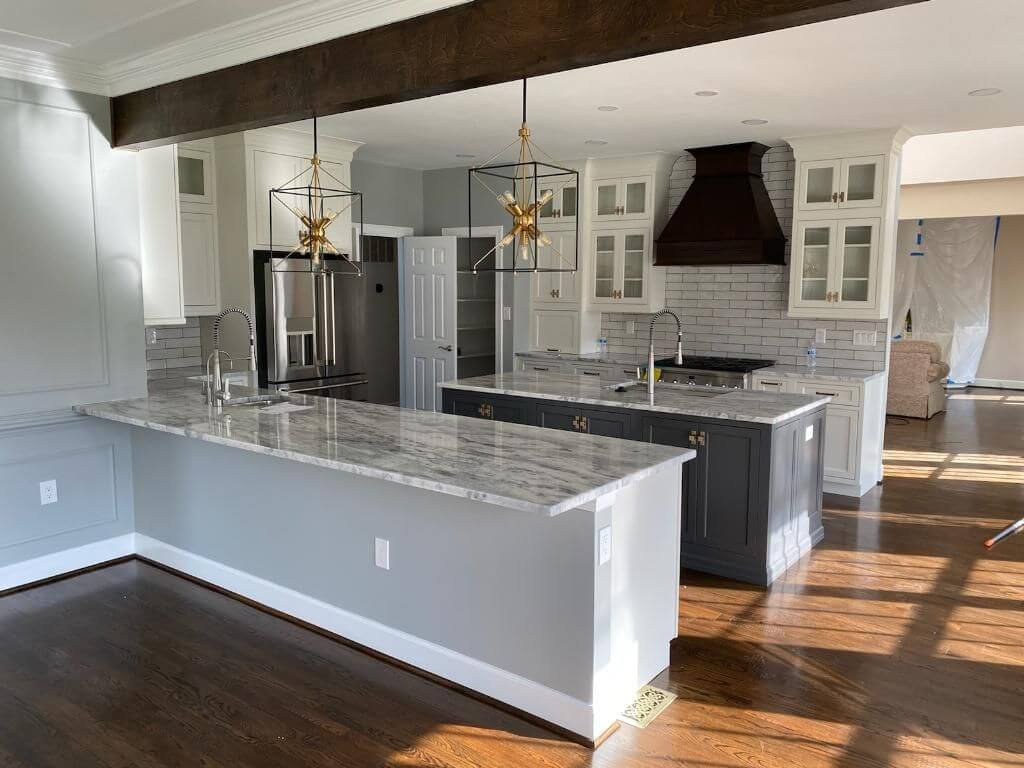
If you’re shopping for a new countertop, maintenance is probably one of your biggest worries. Nobody wants to spend weekends sealing stone or panicking over a coffee spill.
The good news? Some countertop materials are genuinely easy to live with. Others need more attention than most people expect.
This guide ranks the 5 most popular countertop materials by real-world maintenance so you can pick the right one for your kitchen — and your lifestyle.
What Makes a Countertop “Low Maintenance”?
Before ranking, it helps to know what maintenance actually means for countertops. It covers four things: daily cleaning, sealing requirements, stain resistance, and heat and scratch tolerance.
A truly low maintenance countertop handles everyday kitchen use without asking much from you. No special cleaners. No annual appointments. No second-guessing every spill.
With that in mind, here’s how the top five materials stack up.
1. Quartz — The Lowest Maintenance Countertop Overall
Quartz is the clear winner for homeowners who want a hands-off kitchen surface. It is an engineered stone made from natural quartz crystals and resin, which makes it non-porous and completely sealed from the factory.
What that means for you: No sealing. Ever.
Liquids, oils, and food residue sit on the surface rather than soaking in. A damp cloth and mild dish soap is all you need for daily cleaning.
Quartz also resists bacteria growth better than natural stone, which matters in a kitchen.
The one thing to watch: quartz does not love direct heat. Placing a hot pan straight from the stove can cause discoloration or cracking over time. Always use a trivet.
Maintenance score: 1/5 (1 = easiest)
Craft Countertops carries a wide range of quartz options at both the Sterling, VA and Martinsburg, WV showrooms. Browse the full quartz countertop collection to see available colors and styles.
2. Quartzite — Natural Stone, Surprisingly Low Upkeep
Quartzite is often confused with quartz, but they are completely different materials. Quartzite is a natural stone formed when sandstone is exposed to extreme heat and pressure deep in the earth. Quartz is an engineered product made in a factory.
Despite being natural stone, quartzite is one of the hardest materials available for countertops — harder than granite in many cases. It scratches less easily and handles heat better than quartz.
Quartzite does need sealing, but less frequently than granite or marble. A good seal typically lasts one to two years with normal kitchen use. Many quartzite owners do it themselves in under an hour.
The tradeoff is cost. Quartzite countertops run higher than granite or quartz, and finding a fabricator who truly knows the material matters. Not all stone yards handle quartzite regularly.
Maintenance score: 2/5
See Craft’s quartzite countertop options including popular slabs like Taj Mahal and Sea Pearl.
 3. Granite — Moderate Maintenance with Long-Term Durability

Granite is the most popular natural stone countertop in the US, and for good reason. It is tough, heat-resistant, and each slab is one-of-a-kind.
The maintenance requirement is real, though. Granite is porous, which means it needs sealing to resist stains from wine, oil, and acidic foods. Most homeowners should reseal every one to three years depending on how busy the kitchen is.
The good news: modern granite sealers are easy to apply. Many homeowners do it themselves. And a properly sealed granite countertop resists stains very well.
Where people run into trouble is skipping the sealing schedule or using the wrong cleaning products. Harsh chemicals, bleach, and acidic cleaners like vinegar strip the sealant faster. Stick to warm water and mild soap for daily use.
Granite also handles heat better than quartz. You can place warm cookware on it without worrying, though trivets are still a smart habit.
Maintenance score: 3/5
Craft Countertops serves homeowners across Northern Virginia and West Virginia with a large granite selection. See granite countertops in Sterling, VA or browse all granite options.
4. Marble — Beautiful but High Commitment
Marble is the countertop material people fall in love with in showrooms and sometimes regret in busy kitchens. That is not to say marble is a bad choice — but it requires honest expectations going in.
Marble is softer and more porous than granite or quartzite. It etches when it contacts acidic foods and drinks — lemon juice, wine, tomato sauce, and even some cleaning sprays can leave dull spots on a polished marble surface.
Etching is different from staining. A stain is a discoloration that soaks in. An etch is a chemical reaction that dulls the surface finish. Regular sealing prevents stains, but it does not prevent etching.
Some homeowners choose honed (matte) marble instead of polished. Honed marble shows etches less obviously and has a softer, more casual look.
According to the Natural Stone Institute, proper care and maintenance significantly extend the life and appearance of natural marble surfaces. The key is knowing what you are signing up for before installation day.
If you love cooking and your kitchen sees heavy daily use, marble may not be your best fit. If you want a showstopper bathroom vanity or a low-traffic kitchen island, marble can be a great call.
Maintenance score: 4/5
Explore Craft’s marble countertop options and bathroom vanity tops where marble truly shines.
5. Granite Remnants — Affordable, Same Maintenance as Full Granite
Remnants deserve a spot on this list because they are one of the most-asked-about options among budget-conscious homeowners.
A remnant is a leftover piece of stone from a larger project — same quality, smaller size, lower price. Remnants work well for bathroom vanities, kitchen islands, laundry rooms, and bar tops.
The maintenance level is identical to full-slab granite — which puts them at 3/5 on the same scale. You still need to seal periodically, and the same cleaning rules apply.
The benefit is cost savings of 30 to 50 percent or more compared to full slabs. If you want natural stone without the full natural stone price, remnants are worth asking about.
Maintenance score: 3/5 (same as granite)
Ask about current remnant availability at the Craft Countertops showroom or get a free estimate to discuss your project size.
Quick Comparison: Low Maintenance Countertops Ranked
Here is a side-by-side summary of all five options ranked from easiest to most demanding:
1. Quartz — No sealing needed, easy daily cleaning, avoid direct heat 2. Quartzite — Seal every 1–2 years, scratch and heat resistant, higher cost 3. Granite — Seal every 1–3 years, heat resistant, wide price range 4. Marble — Seal regularly, watch for etching, best for low-traffic areas 5. Granite Remnants — Same care as granite, significant cost savings for smaller projects
Which Low Maintenance Countertop Is Right for Your Lifestyle?
Here is a simple way to think about it:
You cook every day and want zero hassle → Quartz is your material.
You want natural stone without constant upkeep → Quartzite is worth the investment.
You want natural stone at a mid-range price → Granite with proper sealing works well.
You want the marble look without marble’s sensitivity → Ask about quartz options that mimic Calacatta or Carrara marble patterns. Craft carries several.
You have a smaller project like a bathroom vanity → Granite remnants give you natural stone quality at a lower price.

FAQ: Low Maintenance Countertops
What is the lowest maintenance countertop material?
Quartz is the lowest maintenance countertop material available. It is non-porous, never needs sealing, and cleans with soap and water. It does not etch or absorb stains the way natural stone can.
Do low maintenance countertops still need special cleaning products?
No. Most low maintenance countertops — especially quartz — only need mild dish soap and warm water for daily cleaning. Avoid bleach, vinegar, and ammonia-based cleaners on any stone surface. These strip sealant over time and can dull the finish.
Is granite high maintenance?
Granite requires more upkeep than quartz but less than marble. With sealing every one to three years and simple daily cleaning, granite is manageable for most homeowners. Craft Countertops seals all new granite installations as part of the process.
What countertop material is best for families with young kids?
Quartz is widely recommended for busy family kitchens. It handles everyday spills without staining, resists bacteria, and holds up to heavy daily use. Granite is also a solid choice if you keep up with the sealing schedule.
Does quartzite need sealing like granite?
Yes, quartzite does need sealing — but typically less often than granite. A quality sealant on quartzite can last one to two years. The sealing process is straightforward and many homeowners do it themselves.
How do I know when my granite countertop needs resealing?
A simple water test tells you. Pour a few tablespoons of water on the surface and wait 10 to 15 minutes. If the water beads up, the seal is still working. If the water soaks in and darkens the stone, it is time to reseal.
Can I put hot pans directly on a low maintenance countertop?
Granite and quartzite handle heat well. Quartz does not — direct heat from pots and pans can damage the resin in quartz and cause discoloration. Use trivets or hot pads regardless of material to protect your investment.
Ready to Choose Your Countertop?
The right countertop for you comes down to how you use your kitchen, not just which material looks best in a photo.
At Craft Countertops, the team takes time to understand your lifestyle before recommending a material. That kind of guidance has driven consistent 5-star feedback from homeowners across Virginia, West Virginia, Maryland, and Washington, DC.
Visit the showroom in Sterling, VA or Martinsburg, WV to see actual slabs in person — or get a free estimate online to get started.