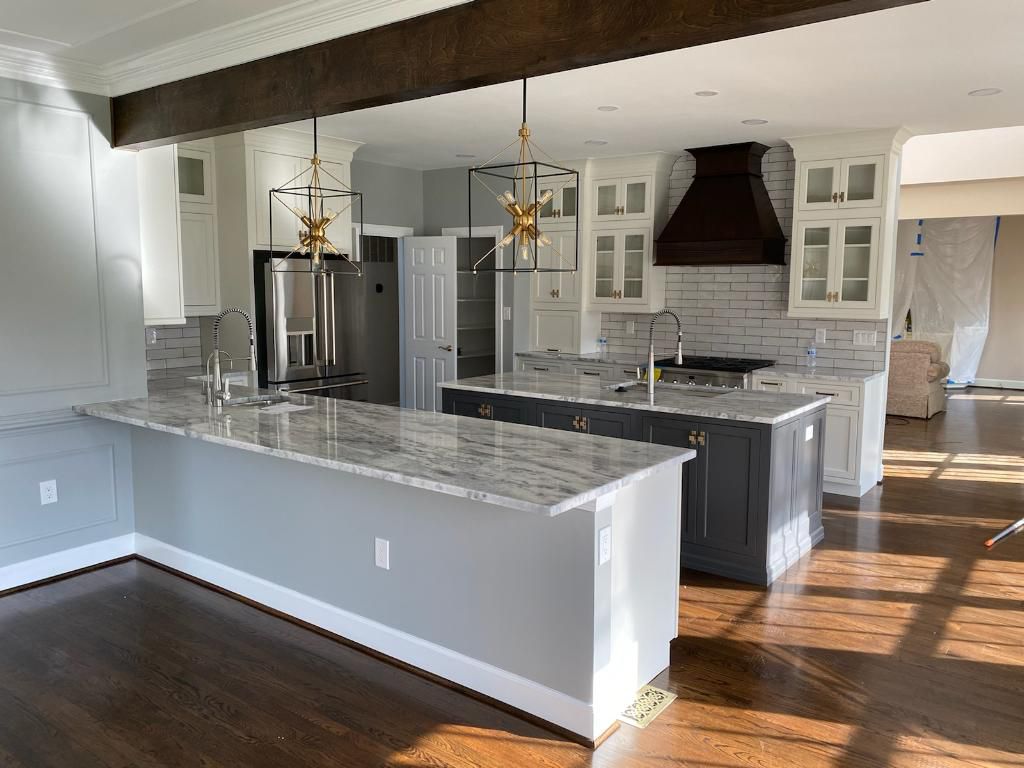
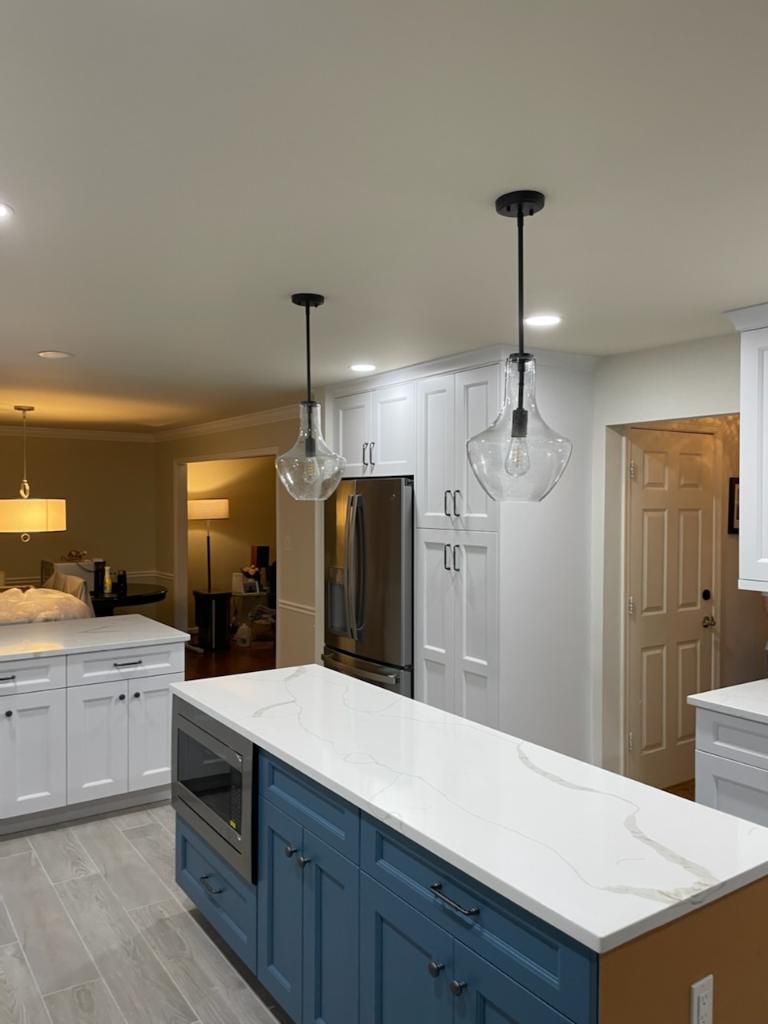
Choosing heat resistant countertops is one of the smartest decisions you can make for a busy kitchen. But not all materials handle heat the same way.
You just pulled a cast iron skillet off the stove and need somewhere to set it down. What happens next depends entirely on what your countertop is made of.
Some materials shrug it off without a mark. Others crack, discolor, or warp — sometimes immediately, sometimes over time with repeated exposure.
This guide ranks the 5 most common countertop materials by real heat resistance. No marketing fluff. Just honest information so you can choose the right surface for the way you actually cook.
What Does “Heat Resistant” Really Mean for Countertops?
A heat resistant countertop can handle brief contact with warm or hot objects without immediate damage. That includes things like a hot coffee mug, a warm baking dish just out of the oven, or a pan pulled off the stove.
“Heat resistant” does not mean “heatproof.” Very few countertop materials can handle extreme, sustained heat — like a skillet directly off a high-flame burner — without any risk at all.
According to the Natural Stone Institute, even natural stone surfaces benefit from the use of trivets and hot pads to extend their lifespan. The question is not just whether a material can survive heat — it is how much heat, for how long, and how often.
With that in mind, here is how the top five materials compare.
1. Granite — Best Overall Heat Resistance
Granite is the most heat resistant countertop material available for residential kitchens. It is a natural stone formed under extreme heat deep in the earth — temperatures far beyond anything a home kitchen produces.
Placing a hot pan directly on granite will not cause cracking, discoloration, or surface damage in normal kitchen use. Granite handles brief contact with cookware from the stove or oven without issue.
That said, thermal shock — rapid extreme temperature changes — can theoretically cause cracking in any stone. Moving a frozen pan directly to a granite surface that has been sitting in hot sunlight is the kind of scenario that creates risk. In everyday cooking, this is not a realistic concern.
Granite also does not release any chemicals or change appearance under heat, which matters if you cook frequently.
Heat resistance rating: Excellent
The tradeoff with granite is maintenance — it needs sealing every one to three years. See granite countertops in Virginia for available options, or read the complete granite sealing guide to understand what that commitment looks like.
2. Quartzite — Natural Stone, Excellent Heat Tolerance
Quartzite is often confused with quartz but handles heat in a completely different way. As a natural stone, quartzite has no resin or synthetic material in it — which means heat does not cause the same issues it does with engineered surfaces.
Quartzite can handle hot pans and warm cookware without discoloration or surface damage. Its heat tolerance is similar to granite — very good for real kitchen use.
The difference between quartzite and granite comes down to appearance and cost. Quartzite often has a softer, more flowing visual pattern — similar to marble — but with much better durability. It does cost more than granite in most cases.
Like granite, quartzite needs periodic sealing. But many homeowners find the maintenance straightforward once they establish a routine.
Heat resistance rating: Excellent
Explore quartzite countertop options at Craft Countertops, including popular heat-tolerant slabs like Taj Mahal and Denali.
3. Marble — Good Heat Tolerance, But With Conditions
Marble is a natural stone and handles heat better than quartz or engineered surfaces. Brief contact with warm cookware will not crack or discolor marble in most cases.
The problem with marble and heat is indirect. Marble is a softer stone that etches easily when it contacts acidic substances — and cooking involves a lot of acidic foods. A hot pan that has tomato sauce residue on the bottom, set directly on a polished marble surface, creates two problems at once: the heat and the acid.
Polished marble also shows marks and etching more visibly than honed marble. If you want marble in a cooking kitchen, honed finish handles everyday wear more gracefully.
Marble is a better fit for bathroom vanities, low-traffic kitchen islands, or bar tops where cooking heat is not a daily factor.
Heat resistance rating: Good — with conditions
See marble countertop options and bathroom vanity tops where marble tends to perform best.
4. Quartz — Heat Resistant Up to a Point
This is where most homeowners get surprised. Quartz is marketed as a tough, durable surface — and it is. But heat is its one real vulnerability.
Quartz is an engineered material made from natural quartz crystals bound together with polymer resin. That resin is the issue. Direct heat above roughly 150°C (300°F) can cause the resin to discolor, crack, or in some cases warp. The damage is usually permanent.
This does not mean a warm mug or a slightly hot plate will ruin your quartz countertop. Normal contact with moderate heat — a plate from the microwave, a coffee cup — is fine. The problem is direct, sustained contact with high heat: a cast iron pan off a high flame, a slow cooker running for hours in the same spot, a baking sheet straight from a 450°F oven.
The reality is that many quartz owners use their countertops without issue for years. The key is building one habit: always use a trivet or hot pad. Make that automatic and quartz performs well.
Heat resistance rating: Moderate — use trivets consistently
Browse quartz countertop options in both the Sterling, VA and Martinsburg, WV showrooms.
5. Marble-Look Quartz — Same Heat Limits as Standard Quartz
Several popular quartz lines mimic the look of marble — white with soft gray veining. Calacatta-style quartz is one of the most requested countertop looks right now.
From a heat resistance standpoint, marble-look quartz behaves exactly like standard quartz. The appearance is different but the material is the same — engineered stone with polymer resin. Direct high heat creates the same risk.
Homeowners who love the marble look but want lower maintenance often choose these options. Just keep the trivet habit and they perform well long-term.
Heat resistance rating: Moderate — same as all quartz
See options like Calacatta Miraggio Gold and Calacatta Verona in the quartz collection.
Quick Comparison: Heat Resistance Ranked
Here is a side-by-side summary from most to least heat tolerant:
1. Granite — Handles direct heat from cookware without issue
2. Quartzite — Natural stone, excellent heat tolerance similar to granite
3. Marble — Good heat tolerance but etching risk in cooking kitchens
4. Quartz — Heat resistant up to a point; always use trivets
5. Marble-Look Quartz — Same limits as standard quartz
Should You Ever Put a Hot Pan Directly on a Countertop?
The honest answer is: even with granite, it is a habit worth breaking.
Granite handles heat well — but cookware can also scratch surfaces when slid across them. Trivets protect against both heat and physical wear. They cost a few dollars and eliminate the risk entirely regardless of what material you choose.
The better question is: if you forget a trivet once, how bad is the damage? With granite and quartzite, the answer is usually nothing. With quartz, one bad moment can cause a permanent mark.
That risk tolerance is part of the decision when choosing a material.
What About Cooktops and Nearby Countertop Surfaces?
Heat resistance matters most in the area immediately adjacent to your cooktop — the surface where you set pans, rest lids, and stage hot dishes during cooking.
If your cooktop is surrounded by quartz, that is where trivets matter most. If you are planning a kitchen remodel and cook frequently, it is worth discussing with your fabricator whether a different material in that zone makes sense.
At Craft Countertops, the team regularly helps homeowners think through material placement — including whether to use different materials on the perimeter versus the island. Get a free estimate to talk through your specific kitchen layout.
FAQ: Heat Resistant Countertops
What is the most heat resistant countertop material? Granite is the most heat resistant countertop material for residential kitchens. It is a natural stone formed under extreme geological heat and handles brief contact with hot pans, warm baking dishes, and cookware without cracking or discoloring. Quartzite performs similarly well.
Can you put hot pans on quartz countertops? It is not recommended. Quartz contains polymer resin that can discolor, crack, or warp from direct high heat. Brief contact with moderately warm items is usually fine, but a hot cast iron skillet or baking sheet straight from a high-heat oven can cause permanent damage. Always use a trivet with quartz.
Can you put hot pans on granite countertops? Granite handles direct heat from cookware much better than quartz. Brief contact with hot pans will not damage granite in normal kitchen use. That said, using trivets is still a smart habit — they protect against scratching as well as heat.
Is quartzite more heat resistant than quartz? Yes, significantly. Quartzite is a natural stone with no synthetic resin, giving it much better heat tolerance than engineered quartz. It handles hot pans similarly to granite. Despite the similar names, quartz and quartzite are completely different materials.
Does marble crack from heat? Marble is a natural stone and handles heat better than quartz. Brief contact with warm cookware rarely causes cracking. The bigger concern with marble in a cooking kitchen is etching from acidic foods — especially when heat and acid are combined, like a hot tomato-based pan resting on polished marble.
What countertop material is best for serious home cooks? Granite is the top choice for homeowners who cook frequently and want maximum heat tolerance with minimal worry. Quartzite is an excellent alternative if you want a more unique natural stone appearance. Both require periodic sealing but reward you with a surface that holds up to real kitchen use.
How hot can granite get before it cracks? Granite can withstand temperatures well above anything produced in a home kitchen before thermal cracking becomes a genuine risk. The more realistic concern is thermal shock — placing a very cold object on a very hot granite surface rapidly. In everyday cooking, this is not a practical concern.
Are heat-resistant countertops more expensive? Not necessarily. Granite — the most heat resistant option — is available at a wide range of price points. Some granite colors are among the most affordable natural stone options available. Heat resistance does not always mean higher cost.
Choose a Countertop That Fits How You Cook
The best countertop for your kitchen is the one that matches your actual cooking habits — not just the one that looks best in a showroom photo.
If you cook daily and want maximum heat tolerance with the least worry, granite or quartzite are worth a close look. If you prefer quartz for its zero-maintenance sealing and you are willing to use trivets consistently, quartz is a reliable surface too.
The team at Craft Countertops helps homeowners across Virginia, West Virginia, Maryland, and Washington, DC choose the right material for the right reasons — including how you use your kitchen every day.
Visit the showroom in Sterling, VA or Martinsburg, WV, or get a free estimate online to get started.